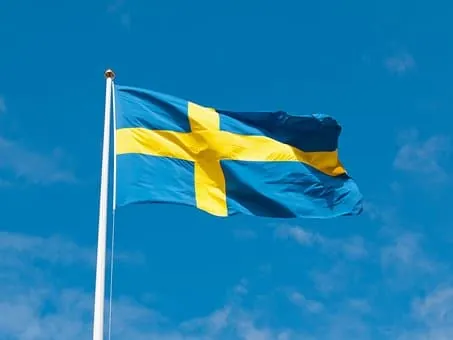
How Meta Music is Redefining the Swedish Music Industry: From Traditional Artists to Digital Creators
Virtual concerts, NFTs and AI tools are changing how music is made and sold. What does the so-called meta music trend mean for Swedish artists and metal bands?

Sweden has long been a global music powerhouse, producing internationally famous artists such as ABBA, Avicii and Robyn. Today the music industry is going through another shift, driven by what is sometimes called meta music: technologies that change how music is created, distributed and experienced. They offer new opportunities to both traditional musicians and digital creators.
Meta music is a loose term for the combination of blockchain-based tools such as NFTs (non-fungible tokens) with immersive experiences such as virtual concerts and AI-assisted music. The trend is changing how artists in Sweden’s Meta Music scene engage with fans and earn money from their work.
New tools for traditional musicians
For traditional Swedish musicians, the new tools offer a chance to rely less on middlemen and take more control of their careers. Platforms that let artists sell music and extras directly to fans can give them a larger share of the revenue.
NFTs have been used to sell limited editions, exclusive tracks and special experiences for the most dedicated fans, such as digital concert passes. The market for music NFTs cooled considerably after the hype of 2021 and 2022, but the idea of offering fans something unique and collectable remains.
The biggest advantage is closer contact with the audience. Fans are no longer only listeners; they can take part in communities around their favourite artists. For Swedish musicians that can mean deeper connections with fans, and for fans it means being part of something beyond simply streaming a song.
The rise of digital creators
Alongside traditional musicians, a new generation of digital creators is experimenting with virtual reality (VR), augmented reality (AR) and artificial intelligence (AI) to create new music experiences.
Young artists in Sweden are trying out virtual worlds and online concerts. Platforms such as Decentraland and The Sandbox offer digital spaces where creators can host live events, meet fans and sell digital merchandise. Many of the types of metal music have also found new audiences through streamed and virtual performances that let fans experience concerts from home.
Digital creators are changing not only how music is shared but also how it is produced. AI tools that help compose or arrange music are becoming more common and are speeding up production, much as AI is now speeding up research in fields as different as medicine, where it is used to study subjects such as the hair growth cycle. The use of AI in music also raises questions about copyright and about what counts as human creativity.
Collaboration between artists and digital creators
One of the most interesting developments is collaboration between traditional musicians and digital creators. These partnerships produce projects that blend analogue and digital elements: albums with digital extras, immersive music videos and virtual concert experiences. Combining musical craft with modern digital skills is part of unleashing the roar of Sweden's ever-changing music scene.
Sweden's long-standing connection to metal is part of this shift too. Metal artists are finding new ways to embrace metalhead style across digital and physical experiences, offering fans both traditional concerts and online content that deepens their connection to the music and the culture.
The future of meta music in Sweden
Sweden is well placed to take part in this development, thanks to its strong music tradition and advanced digital infrastructure; it is, after all, the home of Spotify. Which of today's experiments will last is hard to say, but the boundaries between physical and digital music experiences will most likely continue to blur. For metal fans, though, nothing is likely to replace the feeling of standing in a crowd in front of a real stage.