Rocking the Stage and Hair Transplants: Cost Considerations for Metal Musicians
Long hair is part of the metal image, but hair loss can strike anyone. A look at how musicians deal with it and what affects the cost of a hair transplant.
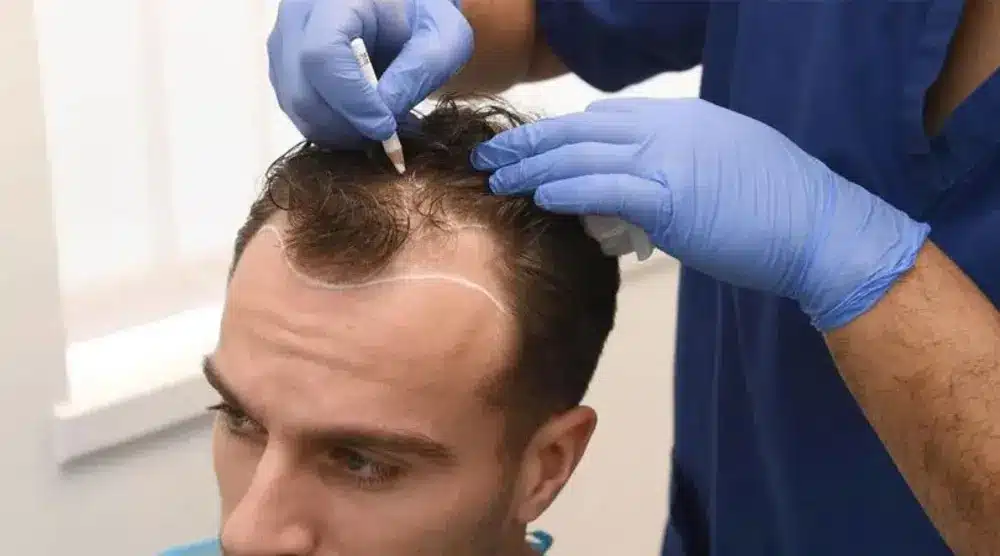
Heavy metal is not just a genre, it is a way of life. For professional metal musicians, image matters almost as much as sound. Long hair, wild manes and headbanging have become iconic symbols of metal culture. Hair loss can strike anyone, rock stars included. In this article we look at how musicians deal with hair loss and at the costs involved in a hair transplant.
The image of metal
Many metal musicians are known for their distinctive look, with tattoos, piercings and, of course, their hair. Long hair has become synonymous with the metal scene and symbolises rebellion, freedom and raw power. So what happens when the hair starts thinning?
Hair loss can be a real concern for musicians whose image is part of their brand. Hats, bandanas and wigs can hide it temporarily, and many musicians simply embrace a shaved head. For those who want to keep their hair, a hair transplant is one option.
Hair transplants: a long-term option
A hair transplant is a surgical procedure in which hair follicles are moved from one part of the scalp, usually the back or sides of the head, to areas that are thinning or bald. The transplanted hair normally keeps growing for many years, although the person's original hair may continue to thin, so some people need further treatment later.
For a musician, a transplant can feel like a way to keep a stage look that is part of their identity. It is also about confidence: standing in front of thousands of fans takes self-assurance. At the same time, it is a medical decision. Not everyone is a suitable candidate, and a doctor should assess the cause of the hair loss first, since some types can be treated with medication.
The cost of hair transplants
One of the main considerations is the cost. Hair transplants can be expensive, and the price varies a lot depending on several factors:
- Location: prices differ between countries and cities. Clinics in places with a high cost of living tend to charge more.
- Experience of the surgeon: experienced surgeons with a strong track record usually charge higher fees.
- Technique: the two main techniques are Follicular Unit Transplantation (FUT) and Follicular Unit Extraction (FUE). FUE is often more expensive because it is more time-consuming.
- Number of grafts: more extensive hair loss requires more grafts, which increases the price.
When you compare prices, look at what is included, such as consultations, aftercare and follow-up, and check the qualifications of the medical team. A very low price is not a bargain if the work is poor.
Hair, style and metal culture
Playing at events like the amazing music festivals in Sweden is a dream for many metal musicians, and stage presence is part of making the most of those opportunities. Understanding the types of metal music helps explain why image differs so much within the genre: a black metal band in corpse paint looks nothing like a power metal band or a doom outfit.
Writing heavy metal songs that resonate with fans is about more than the music too. The overall persona of the artist, including hair and style, plays a part in how the audience connects with the band.
How musicians manage the cost
For many musicians, paying for a transplant is a challenge. Common strategies include:
- Saving and budgeting: setting money aside over time makes the cost more manageable.
- Payment plans: some clinics offer instalments instead of a lump sum. Read the terms carefully before you sign.
- Income from touring and merchandise: many musicians have several income streams and set part of them aside for personal expenses.
Thinking it through
When considering the hair transplant cost, it helps to see it as a long-term decision rather than a quick fix. Possible benefits include more confidence and keeping a look that fans associate with the artist. But results vary, there are risks as with any surgery, and the decision should be made after a proper consultation with a qualified doctor.
Talking openly about hair loss
Hair loss is very common, especially among men as they get older, but few musicians talk about it publicly. More openness would help fans and musicians alike see it for what it is: a normal part of life that each person can handle in the way that suits them, whether that means treatment, a new hairstyle or simply letting it be.
Conclusion
Hair loss can be a daunting experience for anyone, and for professional metal musicians the image of the genre can make it feel even more personal. Hair transplants are one option that can help some people keep their look and confidence on stage. The cost can be substantial, so it pays to compare carefully, plan the finances and get advice from a qualified doctor first. In the end, what matters most on stage is the music.